
Walking might sound almost too easy to be effective, but it elevates your heart rate enough to count as exercise and also has some amazing benefits. Research shows it can boost your mood, energy level, creativity, and productivity, making it a perfect way to clear your head and take a break. It can also help to reduce symptoms of depression, strengthen your immune system, and improve heart health. This makes it a great habit to stay physically and mentally strong so you’re better equipped to deal with stress.
Activities
Discover different activities that can help you take steps toward better mental health.
Filters
Filter by emotions, moods, and life challenges
Filter by Activity Group
Results
Showing 1–8 of 11 results for “Non-substance addiction”
Stop and observe your breath

Take a few minutes (even just 5-10) to sit in silence and focus solely on your breath as you inhale and exhale. This is a simple way to calm your mind and body and can help shift your focus to the present moment and give your mind a rest from negative thoughts. It may take some practice, so don't beat yourself up if you catch your mind wandering—noticing when this happens is actually a great sign. All you have to do is refocus and keep going, which is a skill in itself.
Related Emotions, Moods, & Life Challenges
Try some breathing exercises
Breathwork, or consciously controlling your breath, is an easy way to relax that you can do almost anywhere, and anytime—even when other aspects of life might seem out of control. The practice has existed for thousands of years, and there are many different approaches you can experiment with. Belly breathing is a great basic you can start with, and even just noticing the quality of your breath during the day is a great way to focus inward and away from all the thoughts in your head.
Watch

Related Emotions, Moods, & Life Challenges
Try the 4-7-8 relaxing breathing technique
Breathing exercises are a small but powerful way to relax and decrease stress no matter where you are. The 4-7-8 approach is one technique with powerful benefits—it can calm your mind, manage a fight-or-flight stress response, and even help you sleep better. You can feel calming effects in the moment, and when done regularly the benefits can be even greater. As you do it more often, your body will start to incorporate it automatically. Experts recommend doing three cycles twice a day to make it a habit. Follow these 3 steps to complete one cycle: 1) Inhale through your nose for 4 counts, 2) Hold your breath for 7 counts, 3) Exhale through your mouth for 8 counts.
Watch

Related Emotions, Moods, & Life Challenges
Try the 5-4-3-2-1 relaxation and grounding technique
Relaxing can help counter a fight-or-flight stress response. The 5-4-3-2-1 technique is one approach you can try. To do this, pause for a moment to take notice of your surroundings, Ask yourself a series of questions, counting down from 5: 5) What are 5 things you can see? 4) What are 4 things you can feel? 3) What are 3 things you can hear? 2) What are 2 things you can smell? 1) What is 1 thing you can taste? This method helps you focus on your body, and grounds you in the moment.
Related Emotions, Moods, & Life Challenges
Try talking about it
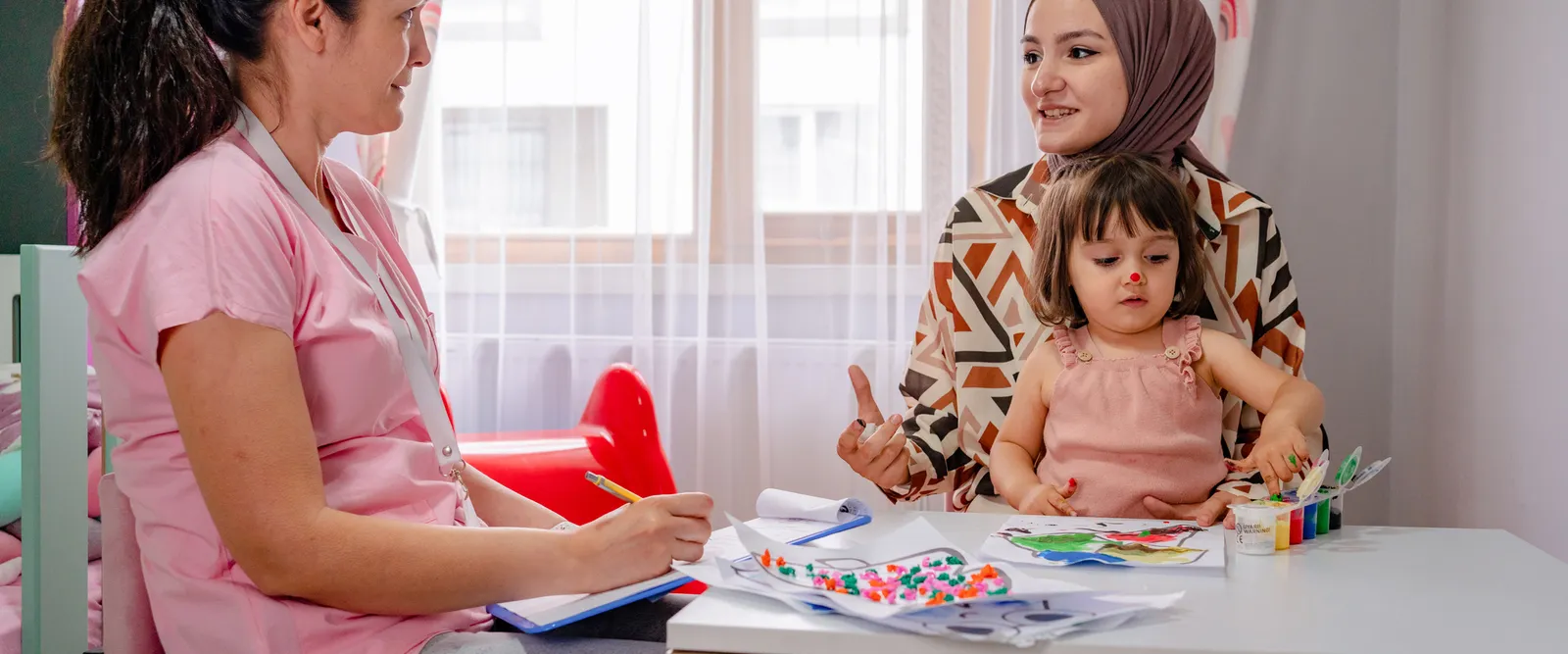
It might be that talking about what you're going through is the last thing you feel like doing. Or, it might be that you don't feel like talking to your loved ones about it. Ironically, this is usually a sign that getting something off your chest may be essential to healing. Consider asking a therapist or someone you trust to be a sounding board for you. You only need to start with one person.
Related Emotions, Moods, & Life Challenges
Acknowledge and avoid negative self-talk
Stress or worry might lead you to interpret situations negatively, be overly self-critical, or doubt you ability to deal with stressors. To reframe negative thoughts, avoid thinking of them as facts and consider other possibilities. Doing this over time can help reduce the negative emotional response to stress. The world is hard enough, you don't need to be hard on yourself, too.
Watch

Related Emotions, Moods, & Life Challenges
Recognize when to get help
If you feel things getting worse instead of better, notice you've lost interest in people and things you used to enjoy, or have trouble doing everyday things like eating, getting dressed, and getting out of the house, you may be experiencing a more serious mental health issue and it’s important to seek out help from a therapist or psychiatrist who can help you find relief. It can be hard to recognize changes in symptoms, so consider tracking them in a journal or mood-tracking app. If you or a loved one is having thoughts of self-harm, talk to someone you trust or call or text 988 to get free and confidential support from the 988 Suicide & Crisis Lifeline. Learn about more crisis resources.
Related Emotions, Moods, & Life Challenges
Showing 1–8 of 11