Body Image Concerns
It's common to worry about how we look to others and how we feel in our bodies, but persistent negative self-image is a sign you could be struggling emotionally. This guide explores body image concerns, how to cope with them, and where to go to find resources and support.
What are body image concerns?
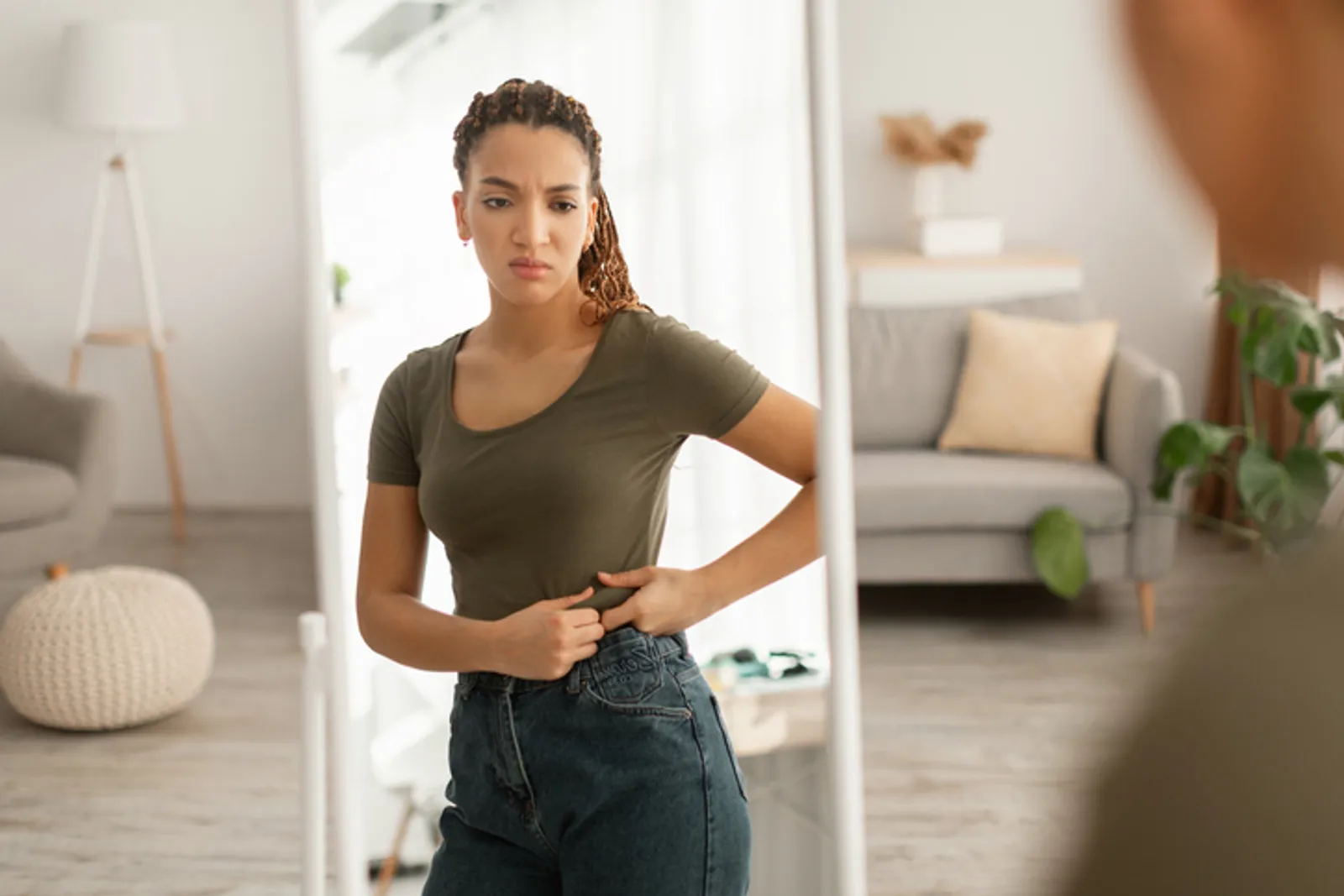
Body image is the way individuals perceive their physical features and attractiveness to others. Many of us have at least a few insecurities. Still, some aren't very concerned about how they look, while others spend a lot of time worrying about and doing things to mitigate their perceived faults.
Unfair and unattainable standards of beauty place overwhelming pressure on people to maintain certain standards of physical attractiveness. All genders experience stigma around their appearance. Strides have been made to promote body positivity and diversity, but these negative attitudes are still prevalent, especially towards women.
It's not uncommon for childhood bullying to create body image concerns that last into adulthood. Our bodies change as we age, so body image concerns can also appear later in life, for example, during puberty, pregnancy, or in relation to a chronic health diagnosis. We typically think body image has to do with weight and shape, but it can also concern other things, like your height, facial features, skin, and hair. Individuals discovering their gender identity may also struggle with dysphoria related to how they're perceived.
Body image concerns exist on a spectrum. Many people take measures to address their insecurities through exercise, diet, and cosmetic enhancements. Sometimes, behaviors with healthy intentions can morph into unhealthy, destructive patterns. On the more severe end, mental health conditions like anorexia and bulimia can be very distressing and have serious physical health side effects. Wherever you are on the spectrum, you deserve support and space to heal.
How do body image concerns impact my mental health?
Body image is a significant part of how people move in the world. It's hard to feel good if you're feeling uncomfortable, checking every window reflection you pass, avoiding mirrors, or constantly trying to adjust yourself. You may deal with a constant stream of negative self-talk and overthinking. Body image concerns can make intimate relationships more challenging and keep you from enjoying activities that feel exposing, like shopping for clothes, swimming, and going out in public or eating with others.
Many who struggle with their body image experience something called body dysmorphia. This is an overwhelming worry about one's own appearance, combined with a distorted view of a perceived flaw. Dysmorphia looks different for everyone who struggle with it, but usually it arises as an excessive, time-consuming preoccupation. You may look in the mirror and see a warped version of yourself that is incongruent with reality.
If your body image is causing you distress, it can come with a range of emotions, behaviors, and implications for your mental health. Body image issues can create feelings of sadness and exacerbate loneliness and isolation. Developing certain behaviors like excessive exercise, restrictive eating, and binge and purge cycles are a sign that you may be struggling with a more serious mental health condition. If your habits are destructive, restrictive, and motivated by negative self-esteem, it's worth addressing these before they become more concerning.
You aren't alone in struggling with your body image. There are ways to manage these behaviors and find a path to a healthier relationship with yourself.
What are some emotions, moods, and life experiences associated with body image concerns?
Body image concerns can create some distracting and distressing emotions. Learn more about those emotions and related life experiences below.
How can I cope with body image concerns?
Because we live in our bodies every day, it may feel impossible to escape body image concerns, but there are many ways to develop a better relationship with your body and yourself.
Body image concerns can create behaviors that are exhausting and depleting. Building self-esteem is directly linked to nourishing and taking care of yourself. This includes eating nutritious meals, engaging in some form of physical activity, and feeding your soul through creative arts, hobbies, and community. Grounding exercises and meditation are also ways many people cope with body image concerns; you may form a whole new relationship with your body.
You may struggle to find anything positive to say about your body. Instead of focusing on your appearance, it can help instead to focus on the things your body does every day, even if they seem innocuous. For example, your legs carry you to the places you want to go; your arms are strong enough to carry your kid; your knees help you kneel and work on the garden.
Usually, we say more hurtful things to ourselves than we ever would to others. When you're stuck in a loop of negative self-talk, it can be helpful to step outside of yourself for a little. Ask yourself, would I make this same critique of someone I love and admire? Or even a stranger? Do your best to offer yourself the compassion you may offer to others.
Social media can be a big source of anxiety, self-judgement, and excessive comparison to others. Take some time to curate your feed and exclude accounts that trigger you or have a significant focus on body size and appearance.
It's also helpful to nurture and cultivate your positive attributes that aren't physical, like your skills, talents, interests, and personal strengths. Being kinder to yourself on a daily basis, combatting negative thoughts with positive affirmations, and seeking professional support help many cope with body image concerns and heal from unhealthy habits. Self-acceptance takes time, so take it day by day.
Things to Try
When you're struggling to feel good about the way you look or comfortable in your body, try some of the following activities to cultivate a healthier outlook.

-
Keep a routine that involves self-care -
Seek out things that make you happy -
Recognize when to get help
What resources are available for coping with body image concerns?
If you're looking to build a kinder relationship with your body, there are resources available for you. Explore your options for professional and peer support below.
-
 Articles | WebsiteWhat Is Body Shaming and How Does It Impact People?
- Online directoryFindTreatment.gov
-
ArticlesHow to Practice Self-love

What are some mental health conditions associated with body image concerns?
Body image issues intersect with several mental health conditions. Get to know more about these conditions below.