

Loneliness
Our need to connect with other people is ingrained in our biology, but many of us struggle with loneliness. Gain perspective on your feelings of isolation and learn how to cultivate relationships with others.
Why do I feel lonely?
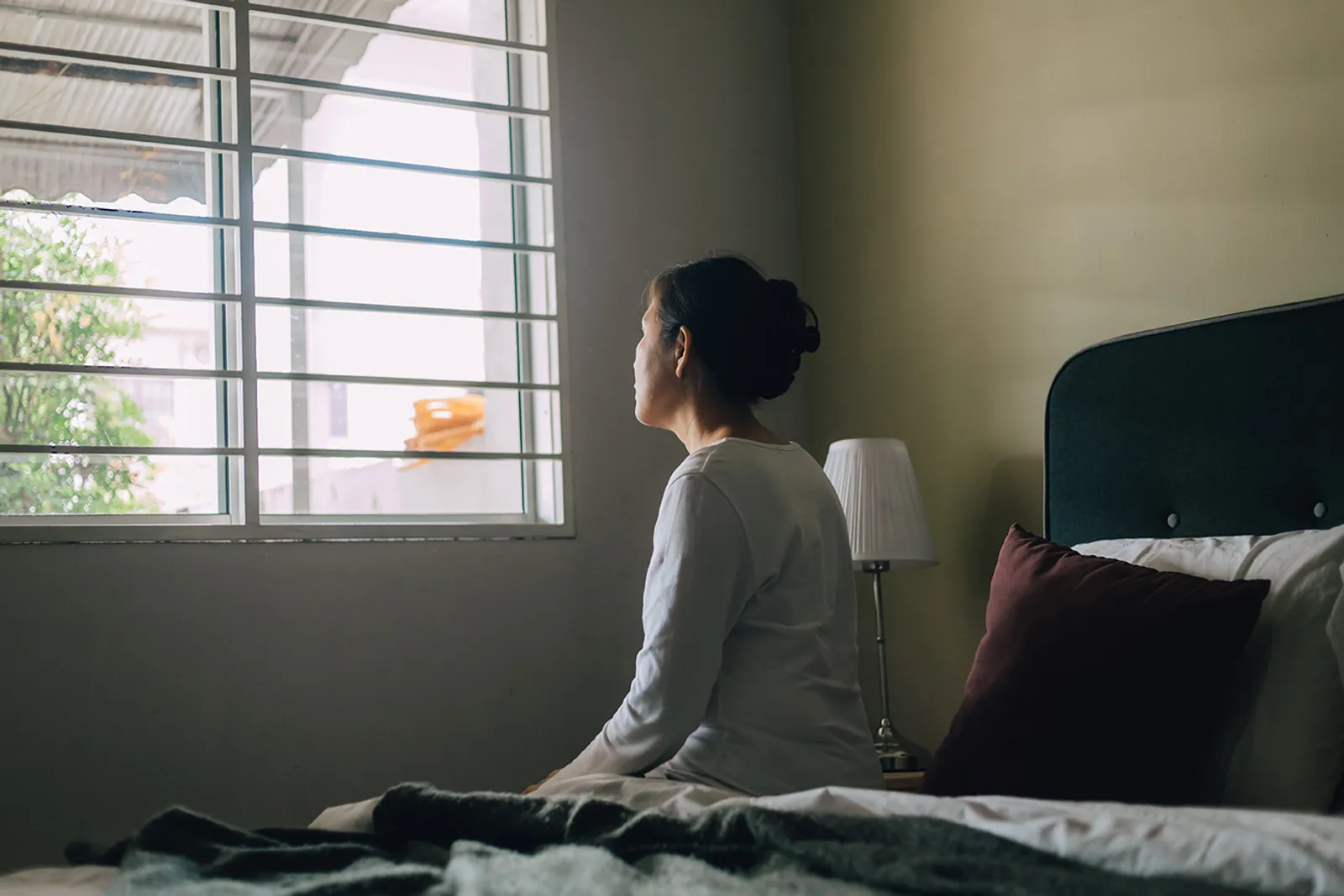
Loneliness is different than just being alone. Many people enjoy being alone, feel recharged by alone time, or have few friends without considering themselves lonely. Especially in an age of frequent texting and posting, loneliness isn't always totally obvious. Loneliness is the feeling of disconnection from social bonds. Sometimes the loneliness is specific, like romantic loneliness. Other times, the loneliness is more related to the quality, quantity, and authenticity of our friendships. Even people who are surrounded by others all day can feel lonely.
There’s an increase in these feelings across the U.S., so much so that the U.S. Surgeon General released a report in 2023 calling loneliness an epidemic.1
Sometimes, but not all of the time, loneliness can stem from feelings of isolation or can reinforce it. These feelings can be painful and include feeling left out and rejected.
Self-isolation is a process that can happen gradually, so it’s important to recognize it early, if possible. A few of the signs include:
- Spending the vast majority of your time alone
- Feeling extremely uncomfortable in social situations you used to enjoy
- Not communicating via text, email, or phone with others
- Feeling as if there’s nobody to lean on for help
- Generally lacking desire to connect with the world around you
It can be helpful and healthy to make time for yourself when you're struggling, but if you find yourself avoiding social interaction for an extended period, it can turn into something more. Isolation and loneliness might also be a sign of mental health conditions such as depression or anxiety.
While loneliness can affect your mental health, it can also have serious physical health consequences. Lack of social connection has been linked to higher rates of heart disease, high blood pressure and a weakened immune system. To put it into context, one study found self-isolation had the same health impact as smoking 15 cigarettes a day.
Given these potential consequences and the growing numbers of people who feel lonely, it’s even more critical to find ways to combat loneliness and connect to others in a real way.
What's causing my loneliness?
Loneliness is complex. It can be the result of life changes, like relocation, the end of a relationship, or the death of a loved one. Sometimes people who are considered "popular" or have bustling social lives can feel incredible loneliness. Social media can make loneliness more intense and lead to unnecessary comparisons of friend groups and social lives.
Certain life stages and experiences can make it harder to maintain healthy social connections, including parenting, aging, or living in a sparsely populated place. Because social connection is wired into our DNA, it can negatively impact our mental and physical health when we feel disconnected.
There is no one cause of loneliness, and it can result from everything from a change in your living environment or a breakup to the death of a loved one. It may not even have a reason, because you’re actually surrounded by people. But, whatever the reason, you feel a disconnect and lack of support.
Some of the reasons for this can be internal, like self-esteem. You may also feel misunderstood or like others are judging you, and that can make you feel lonely. When we can’t identify with the folks around us, or our relationships don’t feel fully authentic, we may start a vicious cycle of loneliness and isolation.
Sometimes you can become isolated because of other emotions or difficulties you’re experiencing. While spending your time alone feels easier, too much time isolated in a tough mental state can lead to intrusive thoughts (unwanted thoughts that are difficult to get out of your mind) and negative self-talk. Sometimes this is a symptom or a cause of mental health conditions like depression and social anxiety as well.
Loneliness may also result from our social connections themselves. It can be difficult to maintain healthy social connections if you’re in a geographically isolated place or lost social connections because of a disruption in a routine, like COVID-19. Because there are fewer people to interact with, it may be that there are fewer opportunities to have meaningful, in-person connections.
In general, three aspects of relationships can affect how socially connected (or not) we feel:
- Structure: The size of your social groups and how frequently you interact with them
- Function: How deep your relationships are and whether your needs feel met
- Quality: Your overall level of satisfaction within a relationship—whether it leaves you feeling energized or drained
How lonely we feel depends on these qualities in our relationships, but they’re things you can work on as you reach out to make social connections.
What are some emotions, moods, and life experiences associated with loneliness?
Explore the life experiences and feelings related to loneliness and feelings of isolation.
How can I deal with loneliness?
While feeling lonely is completely normal sometimes, it’s important not to let those feelings keep you from connecting with people you care about or doing the things you once enjoyed or still want to try.
Making an effort to have in-person human interaction, even if it’s taking a walk or going to the store, can be helpful in reminding us that we have support all around us.
Things to Try
Explore these exercises and habits to help you overcome isolation and address your loneliness.
What resources are available for dealing with loneliness?
It's important to remember you aren't alone in dealing with your loneliness. If it becomes overwhelming, below are some available resources to help you cope and build a community.
- Online interactive tool(s) | Support group | Online Live ChatSupportiv
- WebsiteSeize the Awkward
- Online forum | Website | Support groupTrevorSpace | The Trevor Project



What are some mental health conditions associated with loneliness?
Self-isolation can be a sign of mental health conditions. It can also worsen your mental health to isolate from others.
Citations
- U.S. Department of Health and Human Services. Surgeon General's Advisory on Building Healthy and Resilient Communities