Major Life Transitions
Dealing with major life transitions, good or bad, is challenging. Change can be disruptive and have an impact on your overall mental wellbeing. Learn more about life transitions, how to cope with them, and things to try as you move through these changes.

What are major life transitions?
A major life transition is a life event that comes with a change in your routine, sense of self, and relationships. While not everyone goes through the same transitions or experiences them at the same time, they often require people to make adjustments in their lives.
Some of these major life transitions include:
- Transitioning from life stages, like childhood, adolescence, and adulthood
- Starting a job
- Attending or graduating from school
- Loss of employment and retirement
- Marriage, divorce, breakups, and separation
- Pregnancy or parenthood
- Empty nesting, or children leaving home
- Moving home or loss of housing
- Chronic or mental health diagnoses
- Aging and loss of independence
- Bereavement and grief
- Major changes in values and identitiy (belief systems, coming out, etc.)
Life changes can be challenging, but some major life transitions are associated with feelings of joy, pride, relief, and excitement. It may represent a new beginning for you, which is a powerful experience. Some life transitions can disrupt your stability for some time, especially if they were unexpected. Typically positive life transitions, like parenting and retirement, also bring about their own new obstacles.
How can major life transitions impact my mental health?
Life transitions require attention, time, and energy to get through. Especially when going through multiple major life transitions (like a divorce that leads to a change in housing), you may experience a big disturbance to your everyday life. Certain life transitions are traumatic, especially ones that follow the loss of a loved one.
Depending on the changes you're going through, you may be feeling a number of things like sadness, worry, stress, and more. Know that your emotional responses to big changes is valid. Some people have a harder time rolling with big shifts than others. If the life transition is causing significant distress, there are resources available to help you cope.
Even positive life changes inspire a range of complicated emotions. For example, getting married comes with a host of questions and complications, like the complications of blending families, affording a wedding celebration, and more. Parenting is another complex life transition that calls for a complete change in schedule and priorities. Pregnancy is also associated with post-partum symptoms like depression and anxiety.
Sometimes, major life transitions hit us one after another. If you already deal with a mental health condition, this kind of intense stress can be debilitating. It can create burnout and exhaustion, making it even harder to focus on the life transition at hand. A mental health diagnosis in itself can be a major life transition that requires new medications and coping mechanisms to deal with.
Life transitions often deal with parts of our identity, so it's not uncommon to feel disconnected from who you once were. You may also experience grief as you move on from a time in your life or a place you've lived.
If you find yourself overwhelmed with the weight of a big change, there are ways to manage your feelings as you tackle what's ahead.
What are some emotions, moods, and life experiences associated with major life transitions?
Major life transitions naturally bring about a variety of emotional reactions. Explore these associated feelings and other life experiences.
How can I manage my mental health while going through major life transitions?
Because life transitions can be chaotic, it's crucial to have at least some way of taking care of yourself. Rest, exercise, and nourishment often fall to the wayside when dealing with a life transition. If you're surrounded by moving boxes, or preparing for the baby on the way, feeding yourself may be the last thing on your mind, but it's all the more necessary. A strong self-care routine can help give you the energy needed to face the days ahead.
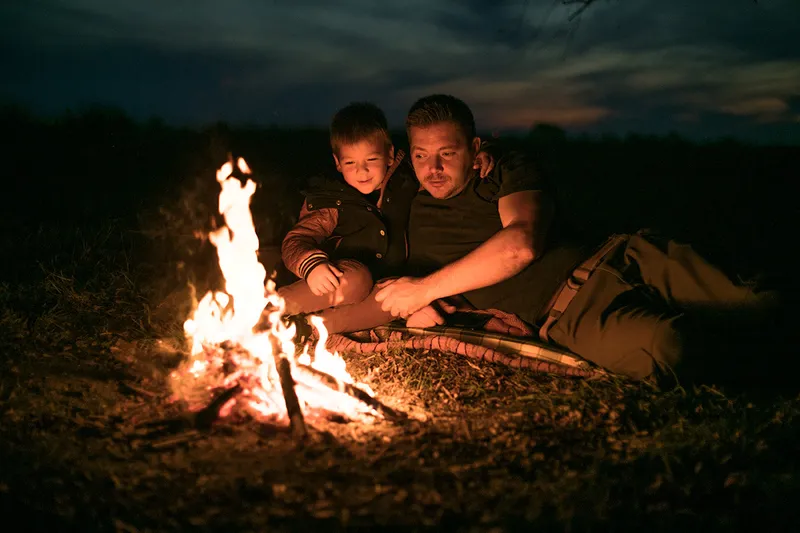
When your identity or routine shifts, you may lose touch with things that used to bring you joy and purpose. Parenting, empty-nesting, and retirement, for example, may separate you from your passions and the things you used to define yourself by. Reconnecting with those pastimes and hobbies (like creative expression, sports, and outdoor excursions, for example) is often comforting and empowering.
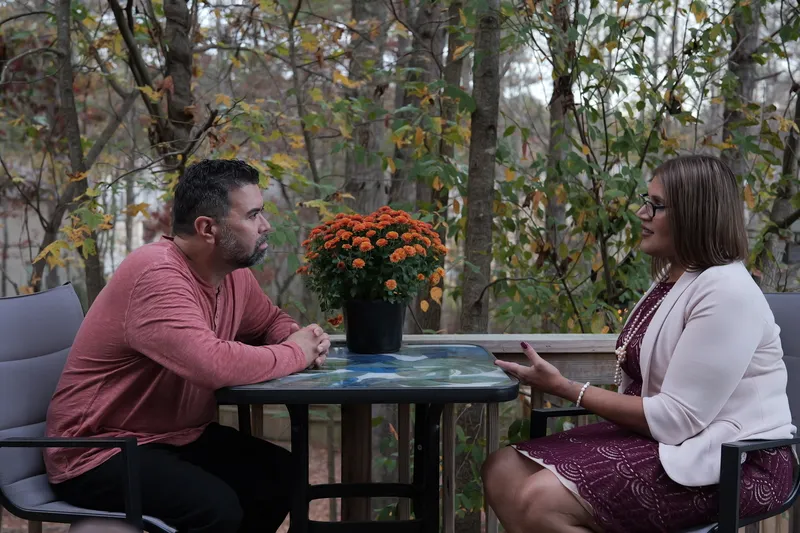
Seeking support from loved ones, support groups, a mental health professional, or other people in your situation can be beneficial. Maybe you ask a friend to help you with the dishes while you put the kids to bed. Maybe you join a local support group for other people with the same health diagnoses. Looking for professional help is also valid, especially if your mental health is suffering. Staying connected to others, even in simple ways, can lighten your mood while you deal with big changes.
Things to Try
When you're feeling overwhelmed by change, it's even more important to take care of yourself. Try these activities below to cope with the emotions surrounding life transitions.


-
Keep a routine that involves self-care -
Ask for support from friends and family
-
Plan out an enjoyable day
What resources are available for coping with major life transitions?
Adjusting to a big life change can take time. Connecting with support is essential. Below are some resources to help make transitions easier.
-
 Online directory | Support groupFind Support Groups | Mental Health America
- WebsiteFor Friends and Family Members | SAMHSA
-
 Helpline211 connects you to expert, caring help.

What are some mental health conditions associated with major life transitions?
Major life transitions like parenting and retirement can contribute to symptoms of mental health conditions. Learn more about those below.