

Sadness
Sadness is a normal part of life. But when sadness becomes overwhelming, it's a sign that you need to take extra steps to care for yourself. Let's learn more about sadness and how to deal with it.
What is sadness?
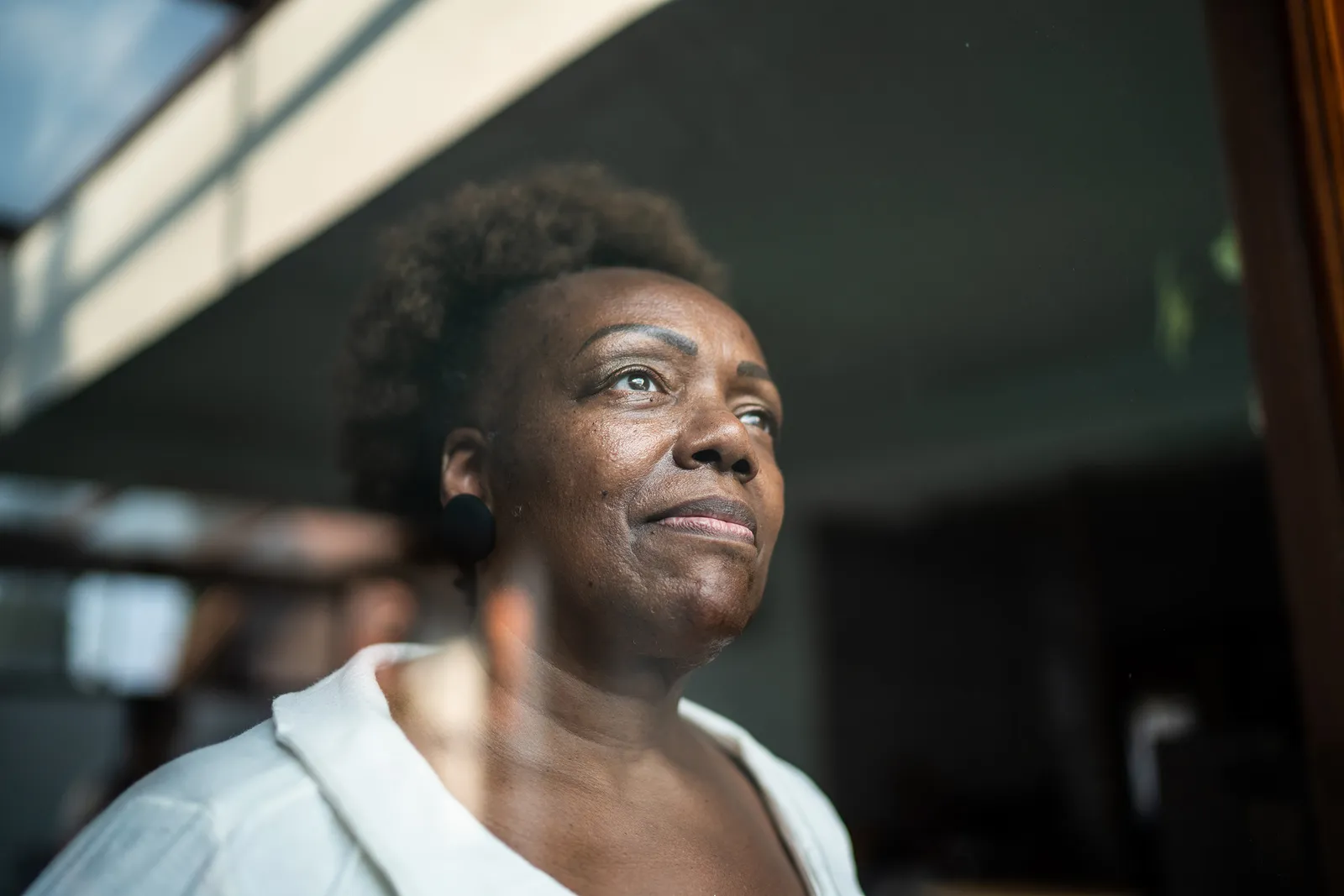
Sadness has many sides. Sometimes, sadness has a clear source, like a challenge you're facing, something hurtful that happened, or a loss. But sometimes, sadness appears what feels like out of nowhere and for no reason at all. It can feel like a heaviness or heartache in your chest, or an unhappiness that just won't go away. This kind of sadness can feel alienating, especially when everyone around you seems to be just fine.
Sometimes sadness can be more intense and last longer. You may notice your outlook changed and you feel more negative about the world, or yourself. It may even affect how much you sleep or eat, your motivation, or how much you enjoy things that you typically enjoy.
When sadness affects your life in these ways, it may be a sign you are experiencing something more than a fleeting feeling. Confronting sadness that overwhelms you or prevents you from living your life in the way you want is challenging, but understanding it, and even growing to appreciate it, is part of healing.
Why do I feel sad?
Everyone feels sadness differently and for different reasons. Sadness often follows disappointed expectations; a breakup or change in a relationship, a perceived failure, or receiving bad news. It's not uncommon to feel a sense of sadness that has no source, or sadness about world events. It varies in intensity and duration, but it's often fleeting.
It’s important to note that sadness (a feeling) is different from depression even if we use the words interchangeably sometimes. Depression is a mental health condition, and sadness is only one symptom of it. Often, sadness is temporary and can vary in intensity.
Sadness can be caused by many different situations, in different people. For example, you might feel sad because of a breakup, a bad grade, or an injury. How sad you feel can also be affected by stress or sleep.
Exploring how you’re feeling and why you’re feeling it is an important step to care for yourself mentally and physically. When you’re dealing with sadness that won’t back down, the most effective first step to take is to allow yourself to feel sad because of that situation, and then you can identify potential causes to begin addressing what is making you sad.
What are some emotions, moods, and life experiences associated with sadness?
Sadness by itself is difficult, but it can be complicated by other emotions or life experiences.
How can I manage my sadness?
You’ve already taken an important step in dealing with your sadness by identifying that you’re feeling sad. Allow yourself time and space to feel. Pushing down and ignoring your emotions often causes more issues later, so cry if you need to cry.
Afterward, you can try to find ways to cope with it. What you do may depend on what you like, but there are many practical options to choose from.
Things to Try
There are several things you can try to lift your spirits when you're feeling sad. Explore the coping strategies below.
-
Create an upbeat playlist
-
Recognize when to get help -
Watch something funny
Sadness can be isolating, but you're not alone. Below are resources to help you work through your feelings and find peace.
Sadness can be isolating, but you're not alone. Below are resources to help you work through your feelings and find peace.
- Support groupNAMI Connection
-
 Helpline211 connects you to expert, caring help.
-
 Articles | WebsiteImprove Your Mental Health with Positive Affirmations

What are some mental health conditions associated with sadness?
Sadness can be a sign that you may be struggling with a mental health condition. Explore those conditions below.
View on National Alliance for Mental Illness (NAMI)