Activities

Discover different activities that can help you take steps toward better mental health.

Filters

Filter by emotions, moods, and life challenges

Filters

Filter by emotions, moods, and life challenges

Clear filters

Results

Showing 9–16 of 23 results for “Sadness”

Text or call someone to say you care about them

Sending out a simple text asking how someone you care about is doing can offer mutual benefits for you both. Doing so reinforces your connectedness to others, and helps to remind you that you have support when you might need it.

Related Emotions, Moods, & Life Challenges

Aside from just sounding good, research shows that listening to music actually increases blood flow to regions in your brain that generate and control emotions. And studies show that faster music (usually performed at a tempo between 140 and 150 beats per minute) tends to generate more positive emotions than slower music. Queen’s “Don’t Stop Me Now” (at 156 BPM) is just one example of a song that might give you some positive emotions—it's the first of 10 in a research-backed playlist. But don't let us stop you from making your own playlist of songs that feel good to you.

Related Emotions, Moods, & Life Challenges

Acknowledge and avoid negative self-talk

Stress or worry might lead you to interpret situations negatively, be overly self-critical, or doubt you ability to deal with stressors. To reframe negative thoughts, avoid thinking of them as facts and consider other possibilities. Doing this over time can help reduce the negative emotional response to stress. The world is hard enough, you don't need to be hard on yourself, too.

Watch

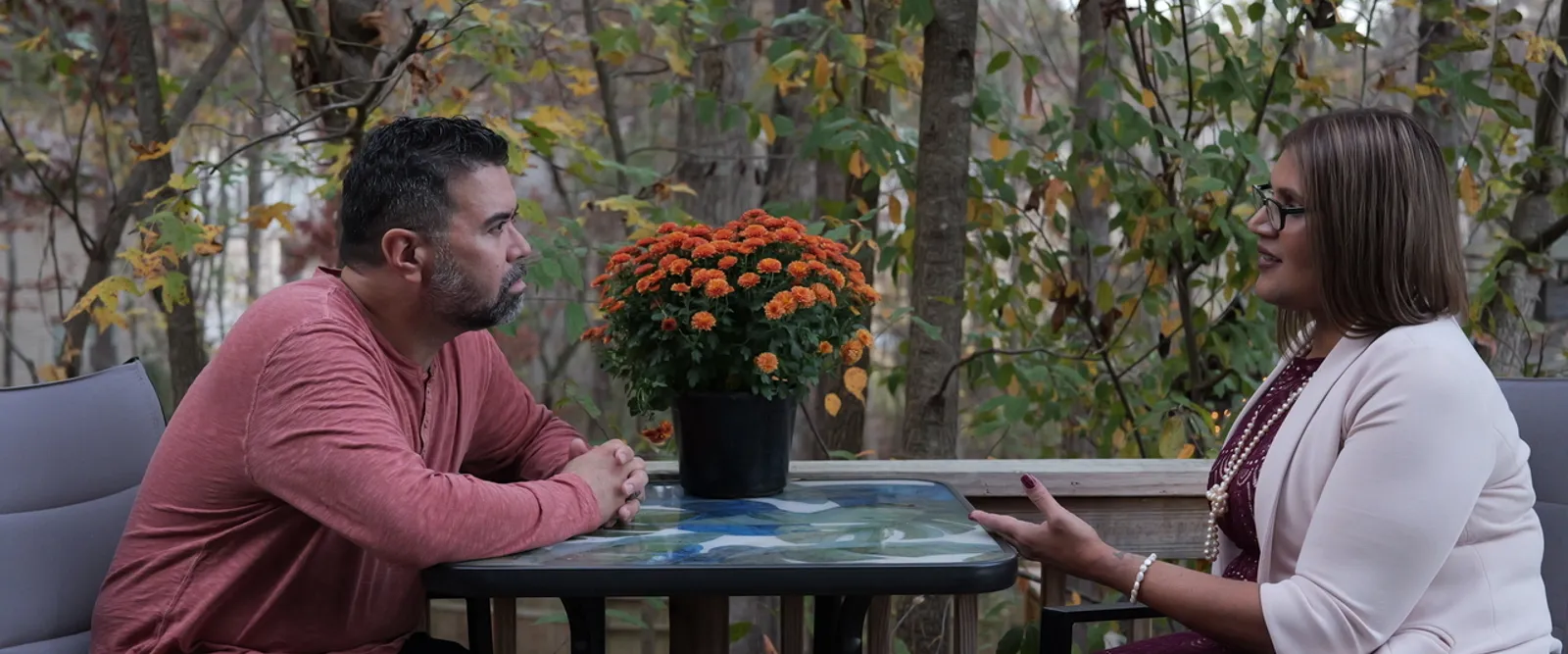
Ask for support from friends and family

Ask for support from friends and family

If you're going through a challenging time, think about who you feel comfortable with, and what interactions might feel supportive so you can tell people what you need—whether it's talking about how you’re feeling so you can release some pent-up emotions, or finding comfort by time together with no words exchanged.

Ask for specific help

Though making a specific ask when you're going through difficult times might feel strange, well-intentioned friends who say “Let me know if I can do anything” will be glad to have a clear idea of how to be helpful. If you aren’t sure where to start, consider: Practical support: errands, cooking, babysitting, etc.; Social/well-being activities: taking a walk, going to coffee or lunch, etc.; Emotional support: spending time together—to talk, or just spend time together.

Keep a routine that involves self-care

Sticking to a daily routine that includes self-care can help things feel more stable and prevent against depression. Aim to eat and sleep at regular times and make time for walks or exercise. Mental health is important too, so make time for seeing others and consider practicing meditation or deep breathing.

Seek out things that make you happy

Look for ways to give your mind a break and find moments of happiness, including keeping up with hobbies and interests or exploring new ones. As an added bonus, participating in fun and engaging activities helps us develop resiliency and healthy coping mechanisms, and may even increase how long you live, according to The National Institute on Aging.

Recognize when to get help

If you feel things getting worse instead of better, notice you've lost interest in people and things you used to enjoy, or have trouble doing everyday things like eating, getting dressed, and getting out of the house, you may be experiencing a more serious mental health issue and it’s important to seek out help from a therapist or psychiatrist who can help you find relief. It can be hard to recognize changes in symptoms, so consider tracking them in a journal or mood-tracking app. If you or a loved one is having thoughts of self-harm, talk to someone you trust or call or text 988 to get free and confidential support from the 988 Suicide & Crisis Lifeline. Learn about more crisis resources.

Related Emotions, Moods, & Life Challenges

Showing 9–16 of 23