Activities

Discover different activities that can help you take steps toward better mental health.

Filters

Filter by emotions, moods, and life challenges

Filters

Filter by emotions, moods, and life challenges

Clear filters

Manage Anxiety & Overthinking

Finding ways to settle your mind can make life feel lighter and more balanced. Try activities and tools to help manage anxiety & overthinking.

Showing 9–16 of 18 results

Get a massage

Though getting a massage might sound overly indulgent, it can provide healing benefits like calming your nervous system, increasing circulation, relieving muscle tension, eliminating toxins, and boosting immunity. Massage has also been shown to decrease cortisol (a stress hormone) and increase levels of oxytocin (known as “the love hormone”). Though it's always an option to book at a spa, you can also try self-massage or ask a partner.

Related Emotions, Moods, & Life Challenges

Acknowledge and avoid negative self-talk

Stress or worry might lead you to interpret situations negatively, be overly self-critical, or doubt you ability to deal with stressors. To reframe negative thoughts, avoid thinking of them as facts and consider other possibilities. Doing this over time can help reduce the negative emotional response to stress. The world is hard enough, you don't need to be hard on yourself, too.

Watch

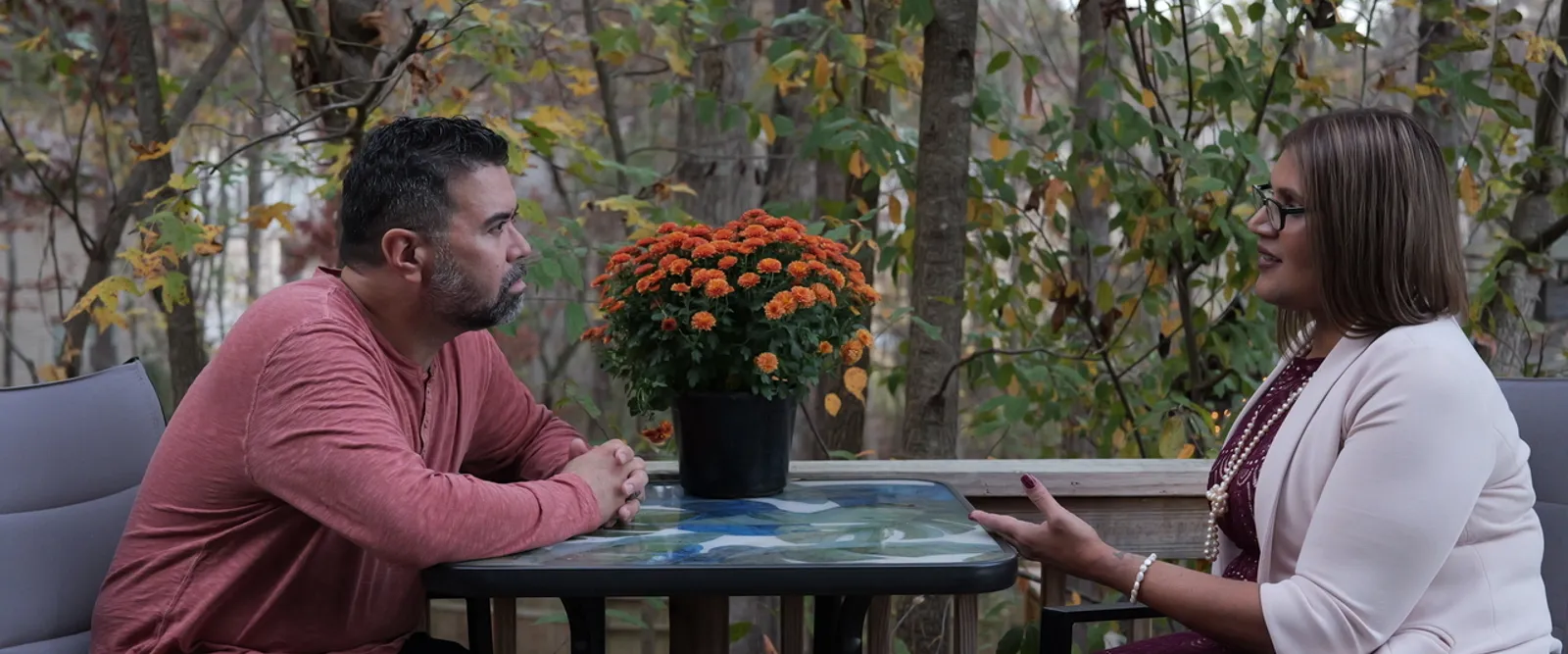
Ask for support from friends and family

Ask for support from friends and family

If you're going through a challenging time, think about who you feel comfortable with, and what interactions might feel supportive so you can tell people what you need—whether it's talking about how you’re feeling so you can release some pent-up emotions, or finding comfort by time together with no words exchanged.

Write about how you’re feeling—not only what makes you happy, but also what triggers stress or pain. Experiencing a range of emotions helps regulate stress response, which can mean a healthier immune system. Journaling can also help you take action—you can identify things you want to do more or less of, identify situations you want to change or get help with, and figure out ways to deal with stress in the moment if you know what situations to look out for. While it is tempting to just use your computer, it can be more beneficial to go back to the old pen and paper. The good news is, you only need to journal a few times a week, for 10-20 minutes to get benefit.

Stay current on healthcare and be open with your doctors

See your doctor(s) for regular check-ups. Doing this can catch conditions before they become bigger issues. Make a habit of sharing your questions and concerns so you know what you’re dealing with and can get the help you need. If relevant, consider what long term and end-of-life care options are important to you, and tell a trusted loved one. Though it may be difficult to think about, it’ll provide relief to know you’ve communicated your wishes in advance of any emergency situations and will prevent them from being put in difficult positions later.

Take breaks from news stories and social media

Non-stop exposure to anxiety-producing news can amp up any difficult feelings you’re already having. If you find yourself feeling worse after scrolling your feeds, do what you can to limit stressful content. You can decide to check in only at certain times, turn off notifications, or unfollow accounts that create stress and focus on ones that help you feel calm and connected.

Becoming a mother brings about new pressures and stressors, so it's important to remain nonjudgemental of yourself. Grant yourself patience and grace as you navigate this new stage of your life. You don't have to "push through" difficult feelings and situations. Support systems take many shapes, but make sure to tap into yours and be honest with them about your limits. No mom is ever perfect. Avoid comparing your experience as a new mother to what you see on social media. Take what's helpful and leave the rest. Try not to isolate yourself for long periods. It's good to spend time with the baby, but make sure to reach out to your loved ones and get out of the house. Do your best to limit alcohol and other substances that may impact your mood or interfere with any medical treatment. Talk to your health support system (like your doctor or baby's pediatrician) to find helpful resources for managing substance use.

Related Emotions, Moods, & Life Challenges

Checking in with your feelings is important during the early phases of motherhood. You may be feeling all sorts of things, good and bad, sometimes all at once. These feelings can be confusing, but it's good to identify and acknowledge your emotions.

Pause and consider how you're feeling. Writing in a journal can help. If you're having trouble writing, even speaking into a recording app on your phone can help you express yourself.

  • -

    If you're having trouble naming your feelings, a "feelings wheel", a visual map of the range of emotions, can be helpful and supportive tool.

  • -

    If you're having trouble naming your feelings, a "feelings wheel", a visual map of the range of emotions, can be helpful and supportive tool.

  • -

    You deserve support for distressing emotions. There are resources available to help you cope with the challenges that come with motherhood; discuss options with your support system.

Related Emotions, Moods, & Life Challenges

Showing 9–16 of 18