Burnout
Burnout is more than just feeling worn down from work. It's the feeling of being past the point of exhaustion, frustration, and overwhelm. Discover more about burnout and strategies to manage it.

What is burnout?
Burnout is more than just stress; it's a state of overwork past the point of exhaustion. Burnout can make you feel like a drained battery. It can disconnect you from the things you care about. It's usually associated with work, but it can also come from dealing with life challenges. If you're dealing with burnout, you might experience:
- Emotional exhaustion: feeling worn out, drained, or numb
- Physical exhaustion: fatigue that doesn't go away with sleep
- Brain fog and decision paralysis
- Depersonalization and cynicism: feeling disconnected or bored with the tasks at hand
- Decreased sense of personal accomplishment or investment
As the societal pressure to be productive mounts, burnout has become increasingly common. The feelings can blur into your whole life, causing a lack of energy, focus, and motivation. It can also cause what some people experience as a nervous or mental breakdown, what feels like an avalanche of responsibility, pressure, and anxiety.
Living with burnout can eventually create challenges down the line for your mental and physical health. Chronic burnout can impact your immunity and leave you vulnerable to getting sick more frequently. It's also associated with increased risk of musculoskeletal pain, cardiovascular disease, headaches, gastrointestinal upset, and hypercholesterolemia.
Burnout can also cause a larger disconnection with your life's purpose and passions. Identifying it, and not ignoring it, is the first step in coping with burnout.
Why do I feel burnt out?
Burnout goes deeper than every day stress. It's typically associated with being overwhelmed, underchallenged, or stressed in the workplace. High-pressure environments, long hours, a lack of control over one's job responsibilities, and quick turnaround expectations can all take a toll on someone's motivation and mental bandwidth. A lack of boundaries between your personal and professional life can also cause burnout—this is common in professions that involve vulnerability in some way.
Particularly at the height of COVID-19, when many people began working from home—or not working at all—it became increasingly difficult to set healthy boundaries between personal life and professional life. When we feel out of control, or like our work has lost meaning and purpose, we are much more likely to be burnt out. We will then become cynical, less connected, emotionally exhausted and less productive.
Burnout can look and feel different for everyone, but you may experience it as:
- Overload Burnout: This is the most familiar form, caused by working unsustainable hours in an effort to succeed at a faster rate.
- Under-Challenged Burnout: This happens when you feel underappreciated, bored and/or generally lack the motivation to complete tasks.
- Neglect Burnout: This happens when you feel unsupported—you want to do a good job but lack the proper resources to do it.
One of the things that makes burnout so hard to get rid of is that it’s difficult to identify until it’s fully set in. We wait until our work is affected, or someone mentions it to us in a review. But, there are earlier signs that something is wrong—we get angry at our emails, or maybe we change our schedule and are no longer getting dressed every day to work from home. Whatever the slight changes are, if we notice them, we can try to cope with burnout earlier.
The good news is—no matter what stage of burnout you’re in or what kind of burnout you have—there are proven ways to help fight it. While systemic change in the workplace can always help, that change may be slow-moving. To take back control over what we can do in the existing structure until larger changes happen, there are ways to help yourself thrive.
What are some emotions, moods, and life experiences associated with burnout?
Burnout, if ignored, can impact your emotions and quality of life.
How can I manage burnout?
Feeling burnout can seem like you’re trying to run in quicksand. The more you fight and struggle to move, the more it just feels like you’re sinking.
But the first step—and arguably the most important step—is recognizing you’re burnt out and having the desire to make a change. That change may include finding ways for more control, talking to supportive peers or supervisors, and looking for ways to promote meaning and gratitude in the workplace.
Some people might even need time off from work to recover. If you feel better after time off, that can even tell you something about your mental state in the first place. Finding your way here (to this page) and taking time to learn more about what you’re experiencing is a great start.
Things To Try
Below are some useful tools and guides you can try to help you manage and recover from burnout.
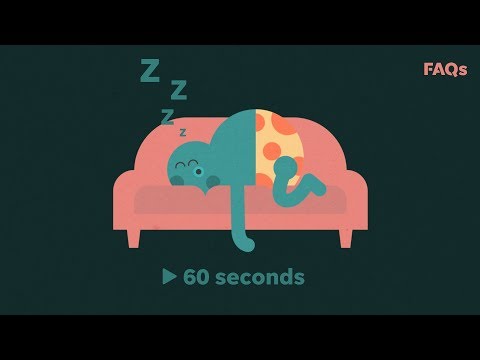
-
Take breaks from news stories and social media -
Don’t forget your basic needs -
Reward your achievements
What resources are available for dealing with burnout?
Dealing with burnout can take time, but it is possible to start healing now. Below are some resources that can deepen your knowledge about burnout and provide opportunities for healing.
-
 Online interactive tool(s)Take a Mental Health Test | Mental Health America
- WebsiteWondermind
- Online directory | Online interactive tool(s) | Online Live ChatHey Peers


Citations
Deloitte. Burnout Survey